
Discover the best baseboard cleaner tools and whether they’re worth using at home.
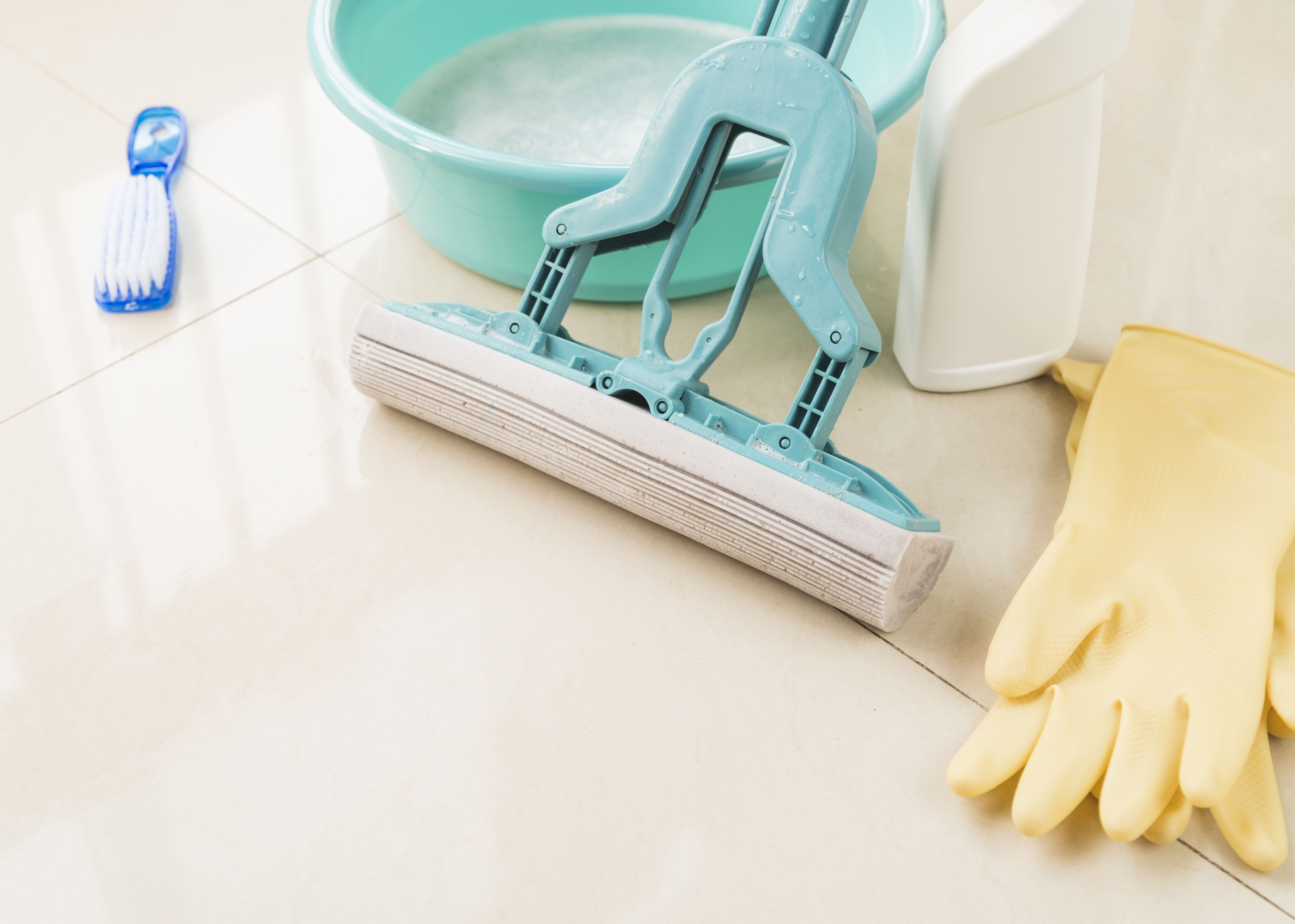
In the world of home maintenance, baseboards are often the most overlooked architectural feature until they become too dirty to ignore. Because they are located at the lowest point of the wall, cleaning them traditionally requires strenuous bending, kneeling, and reaching. Investing in the right tools can transform this back-breaking chore into a quick, manageable task.
While specialized cleaning tools can significantly reduce the physical strain of cleaning, the best results come from a combination of the right equipment and a systematic approach. A tool is only as effective as the cleaning solution and the sequence (dry-to-wet) used during the process.
Baseboards in American homes often feature intricate "profiles" or "millwork"—the decorative ridges and grooves that add character to a room. These grooves are perfect traps for dust, pet hair, and allergens. Furthermore, because they are so close to the floor, they are frequently hit by vacuums, mops, and shoes, leading to a combination of loose dust and "impact grime" that bonds to the paint.
The most popular innovation in baseboard maintenance is the extendable wand equipped with a contoured microfiber head.
Handheld steam cleaners have become a staple in many American households for chemical-free sanitization.
You don't always need a specialized gadget to get professional results. Many common household items are perfectly suited for the task.
The "Gold Standard" for detail. If you are physically able to reach the floor, a damp microfiber cloth offers the most control. For textured baseboards or those with heavy scuff marks, a non-scratch scrub sponge can provide the gentle abrasion needed to lift marks without stripping the semi-gloss or satin paint typically used on U.S. trim.
Your vacuum’s soft-bristle brush attachment is your best friend for weekly maintenance. By removing the loose "top layer" of dust before it has a chance to bond with household humidity or oils, you can go months between deep wet-cleanings.
If you have moved into a new home where the baseboards haven't been touched in years, the "gray film" may be too stubborn for standard consumer tools. Professionals use industrial-strength, pH-balanced cleaners and high-speed extraction tools that can restore the trim to its original color.
In older or high-end homes featuring custom-stained wood or delicate "eggshell" finishes, using the wrong tool can cause permanent damage. Professionals understand the chemistry of different finishes and will use the appropriate tension and moisture levels to clean without warping the wood or dulling the sheen.
Generally, yes, if the baseboards are solid wood or well-sealed. However, if your home uses MDF (common in many modern American builds), use steam very sparingly. Never "soak" the board; a quick pass is all that is required.
For the 5-inch to 7-inch "Colonial" style baseboards popular in many U.S. regions, a wide-head microfiber mop with a telescopic handle is the most efficient choice. It covers more surface area per swipe than a small handheld tool.
For a standard 1,500-square-foot home, a thorough "wet wash" by hand can take 2 to 3 hours. Using a long-handled maintenance tool can reduce this time to about 30 minutes for the entire house.
Ready to reclaim your weekends and enjoy a truly spotless home? Cleaning baseboards is a tough job, but you don't have to do it alone. At Lily Maids, we specialize in the deep-cleaning details that make your home shine from top to bottom. Our experts use professional-grade tools and eco-friendly solutions to leave your trim looking brand new. Contact us today for a free estimate and let us handle the grime!
For a cleaner tomorrow, use Lily Maids today.